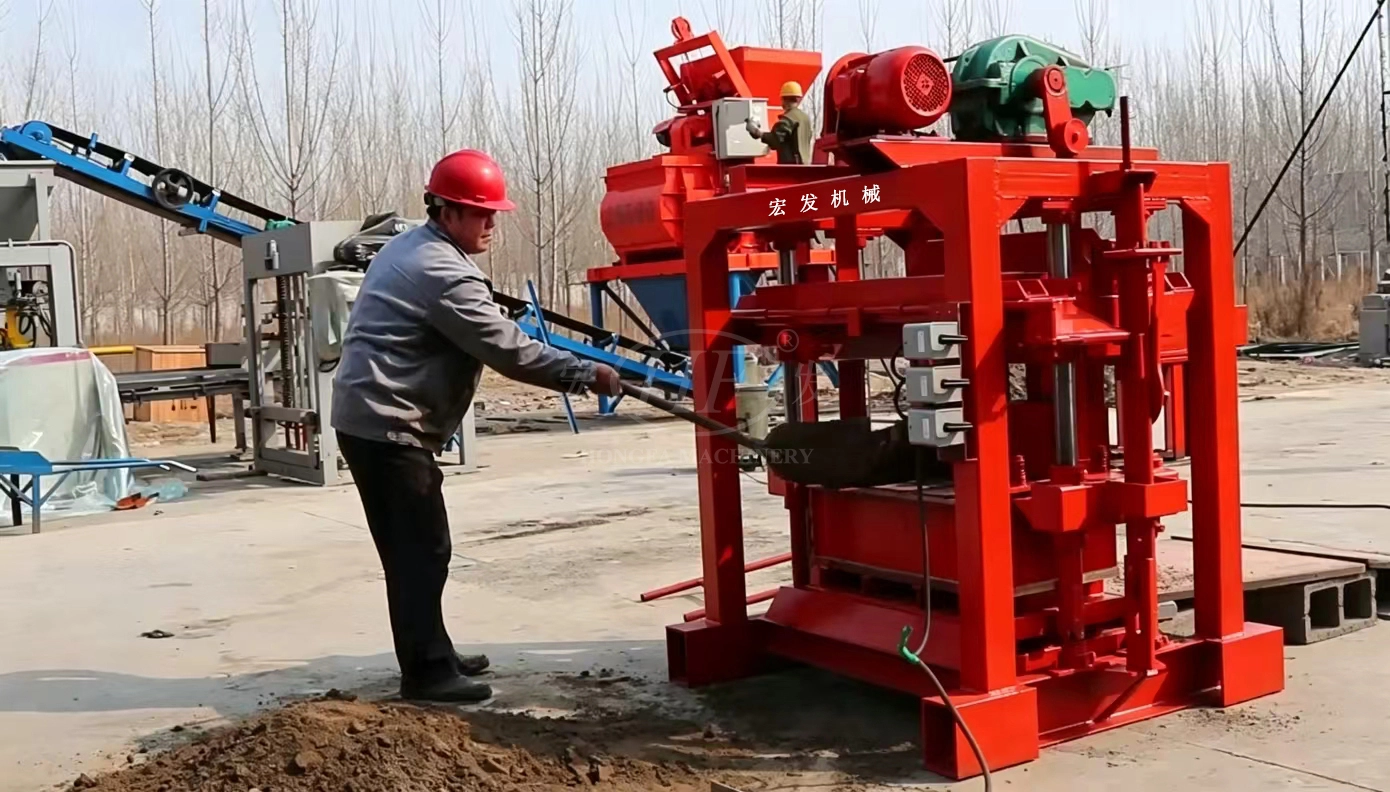
1. Quick Mold Change for Various Pavement Bricks to Diverse Order Demands
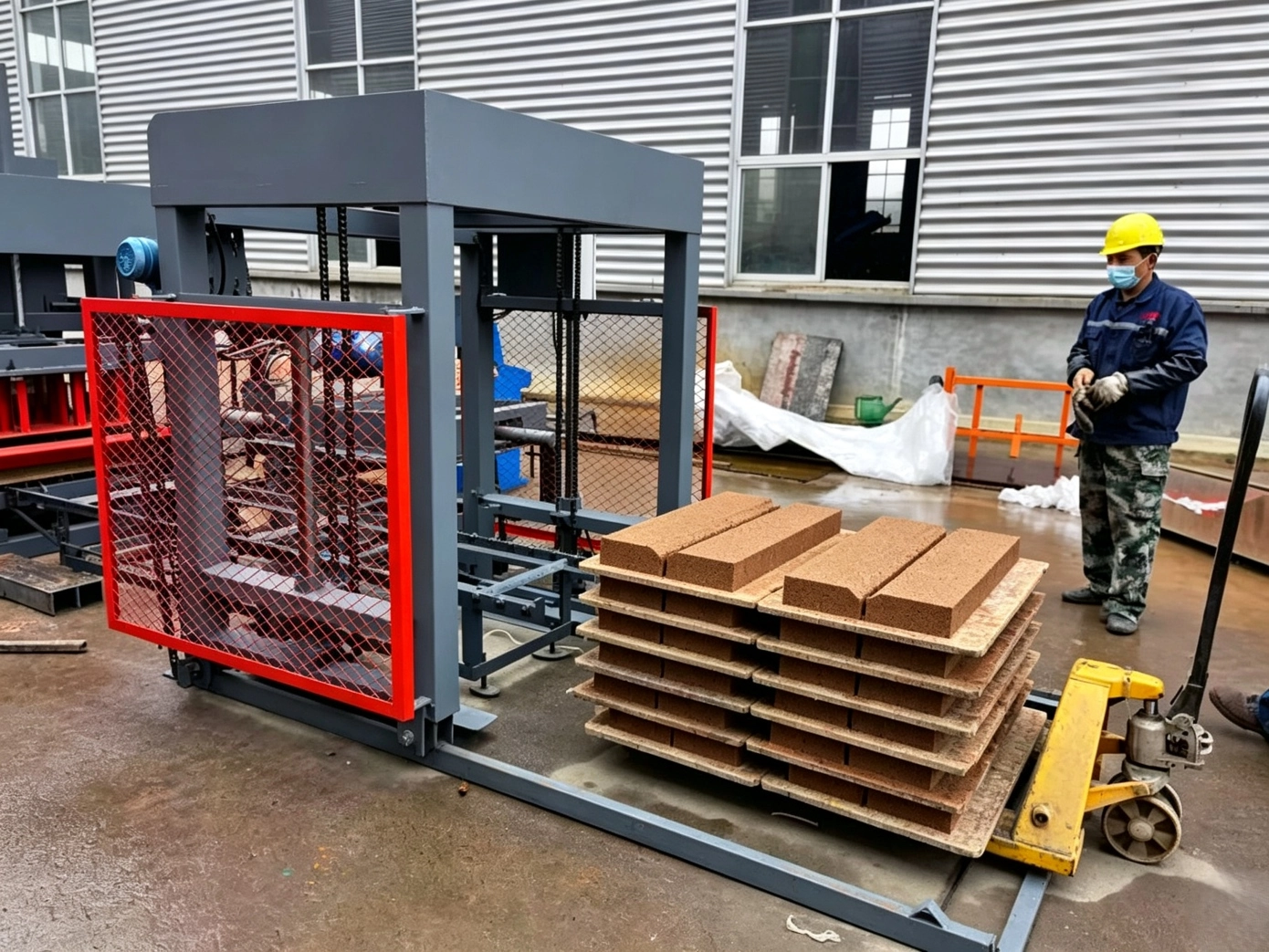
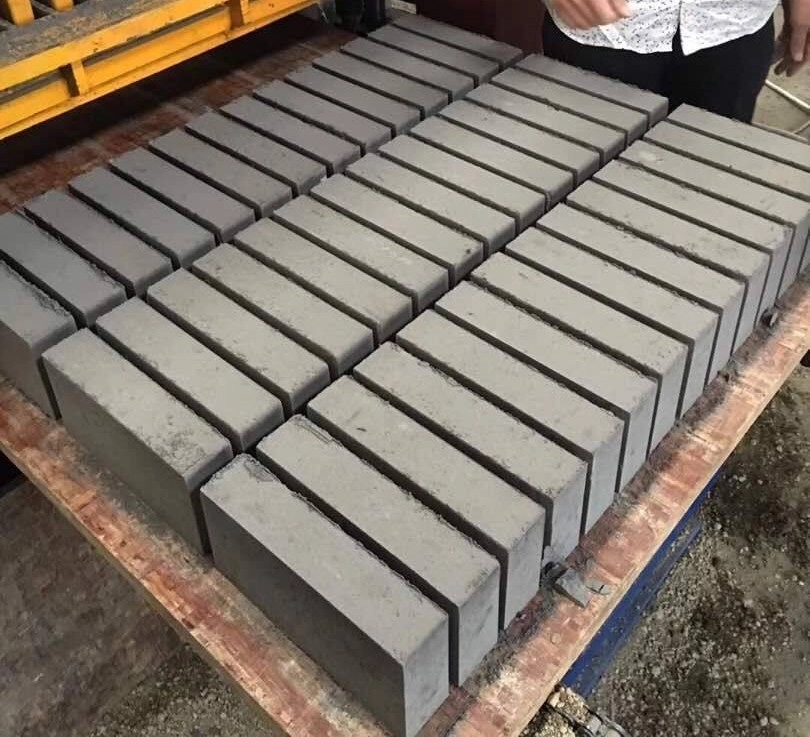
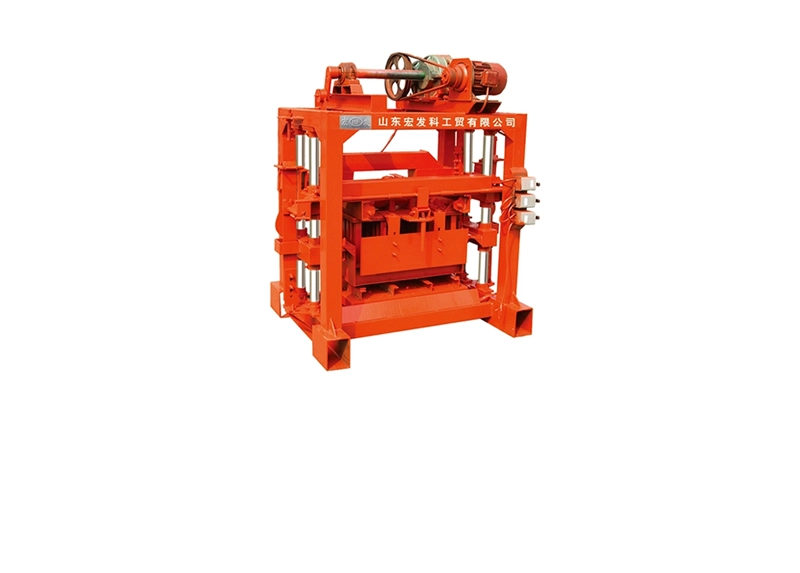
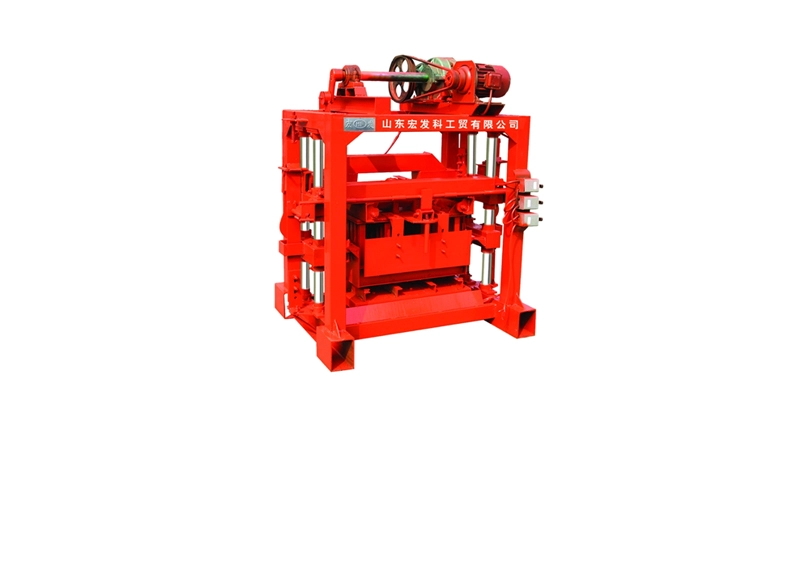
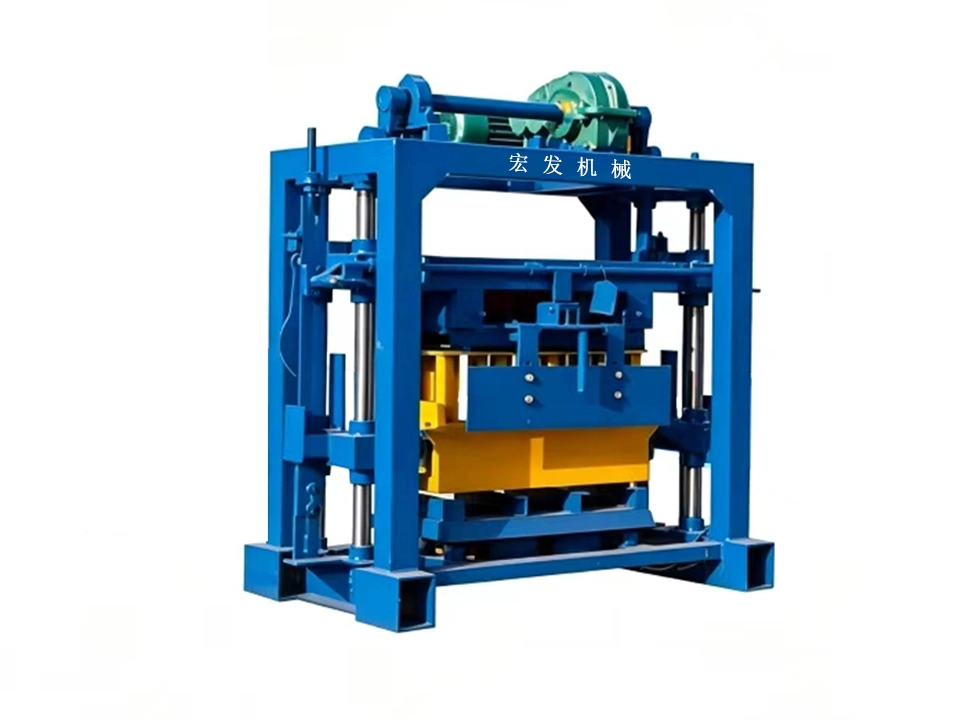
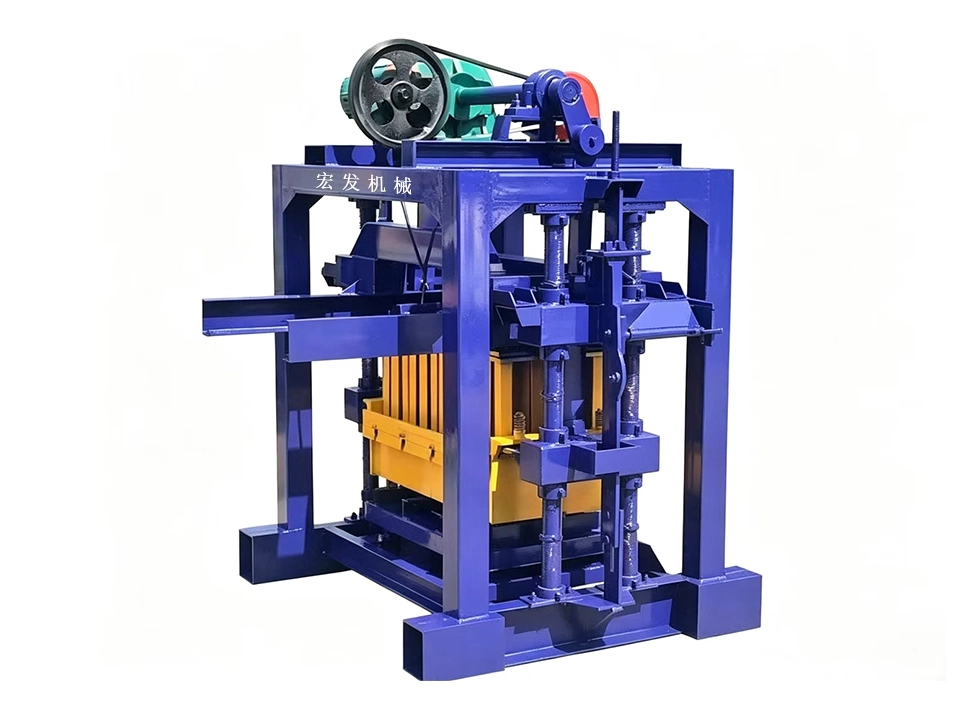
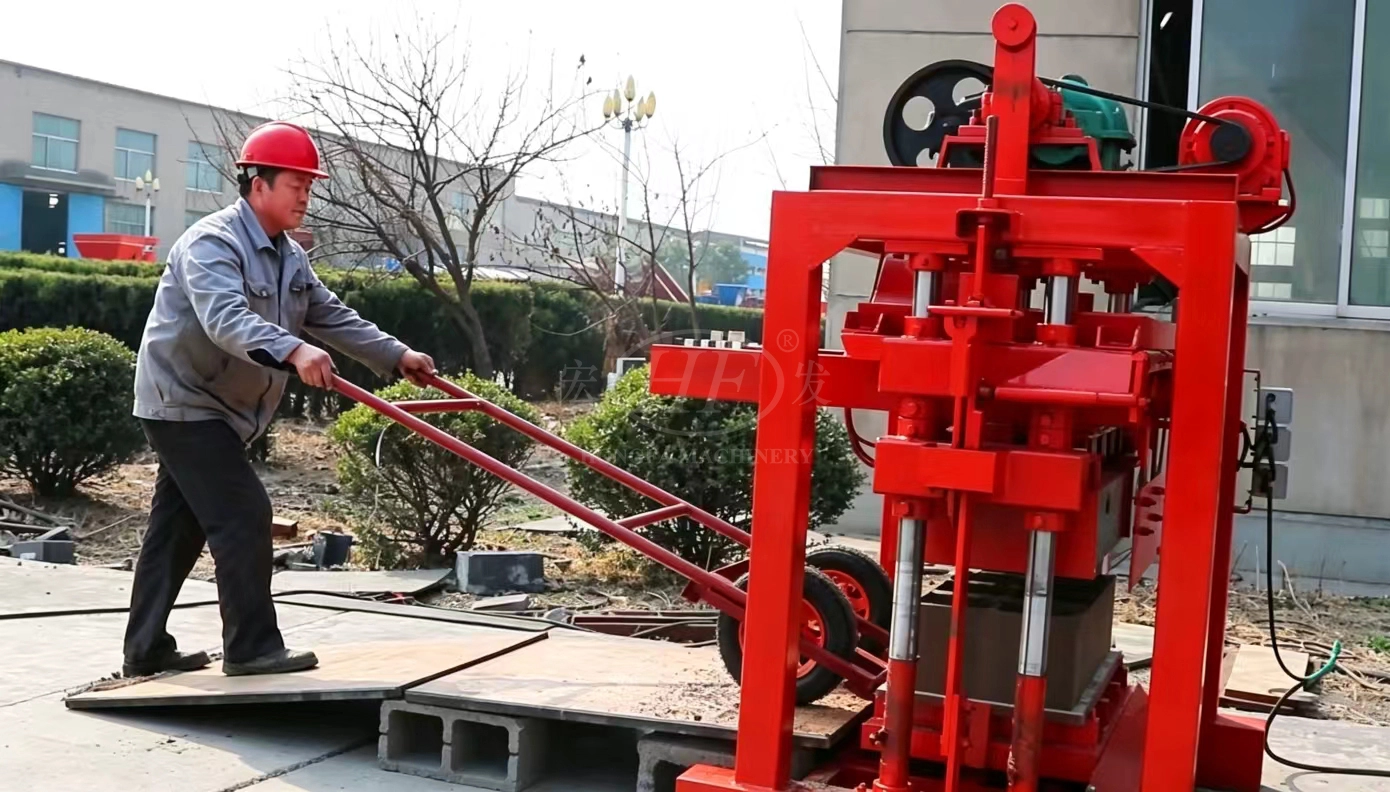
QTJ4‑40B2 supports fast replacement of special molds for pavement bricks. With one single machine, you can produce multiple sizes of paving bricks, walk‑way bricks and standard blocks. There is no need to purchase multiple separate machines, so your capital investment on equipment can be greatly reduced. When facing changeable market orders, you can switch product types just by changing molds. It helps your factory accept more local and overseas engineering orders for pavement bricks and avoid equipment idling. Pallet size is highly compatible, maximum pallet reaches 850×550 mm to meet production requirements for large‑size pavement bricks.
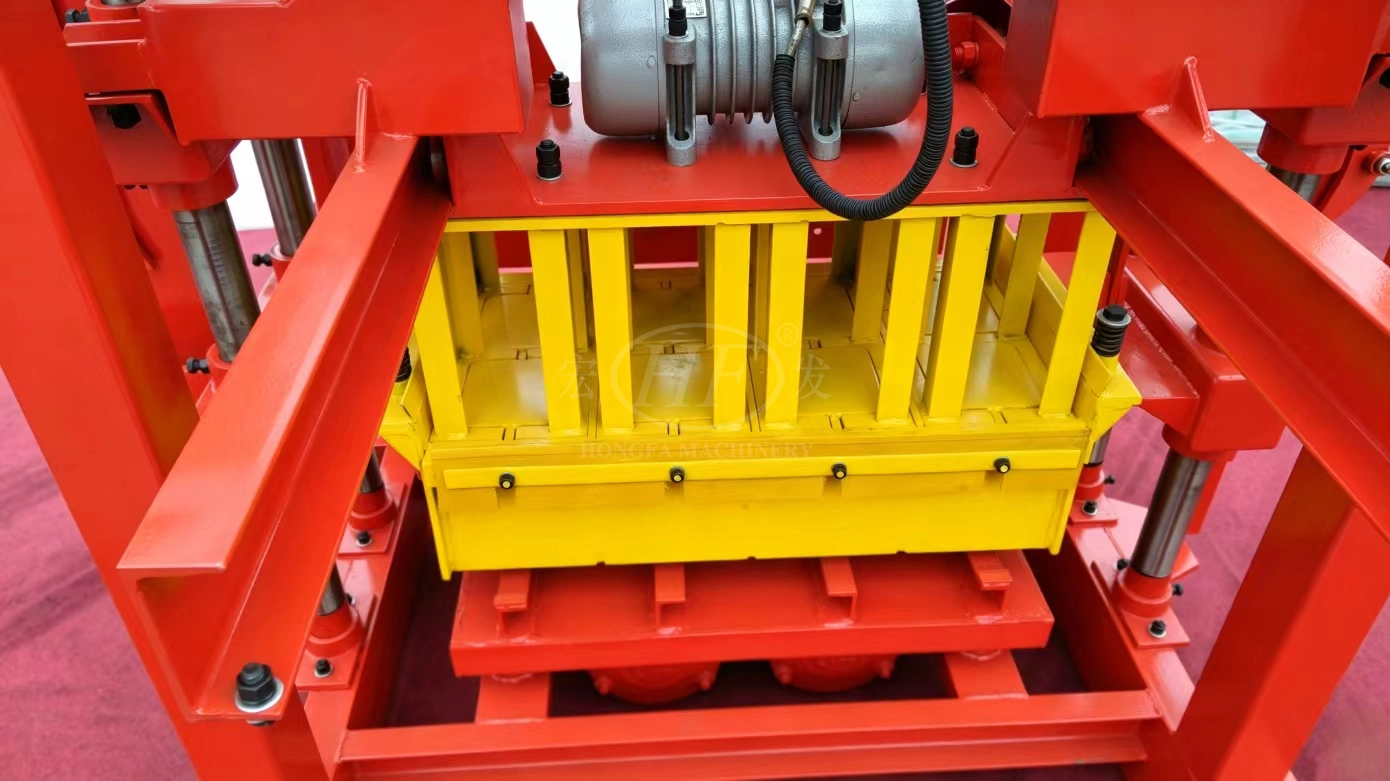
2. Dual‑Vibration Forming for Superior Brick Quality & Less Waste
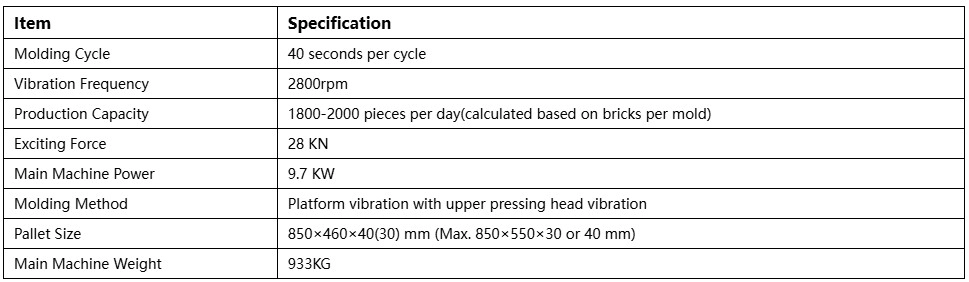
This machine adopts combined table vibration plus upper‑head synchronous vibration system. Two 3 kW bottom vibrators and one 1.5 kW top vibrator work together during forming process. Concrete material fills the mold cavity fully and evenly. Finished pavement bricks own uniform density and high strength with complete edges. It greatly reduces defective products such as cracking, delamination and corner damage. Lower reject rate saves your cost on raw materials like cement and aggregates. High‑quality finished bricks meet both domestic and overseas quality standards for paving projects, helping you raise product competitiveness and reduce customer complaints. Stable vibration force guarantees consistent brick quality during mass‑production, with one forming cycle finished within 40 seconds.
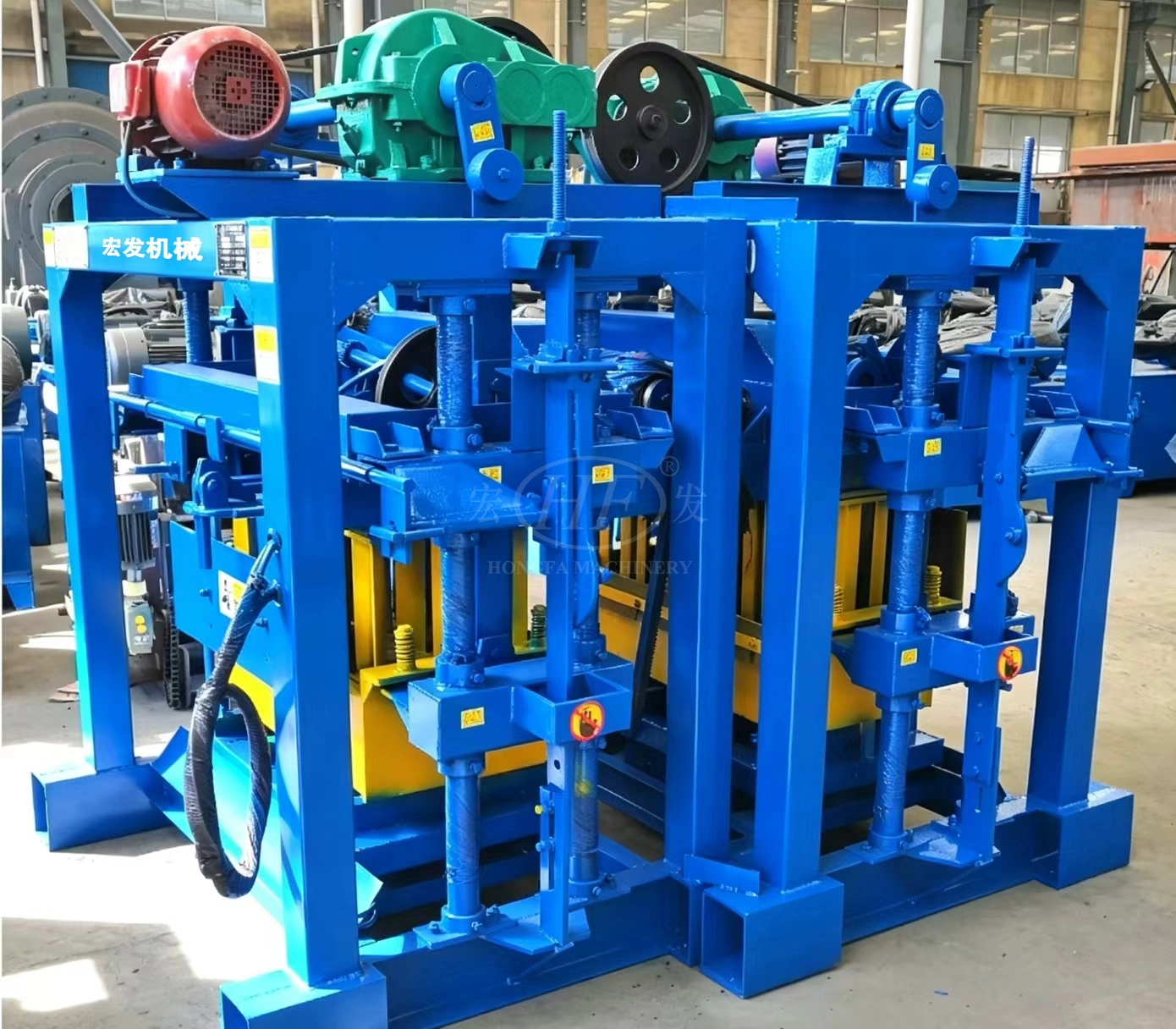
3. Heavy‑Duty Frame Structure, Less Breakdown & Lower Maintenance Loss
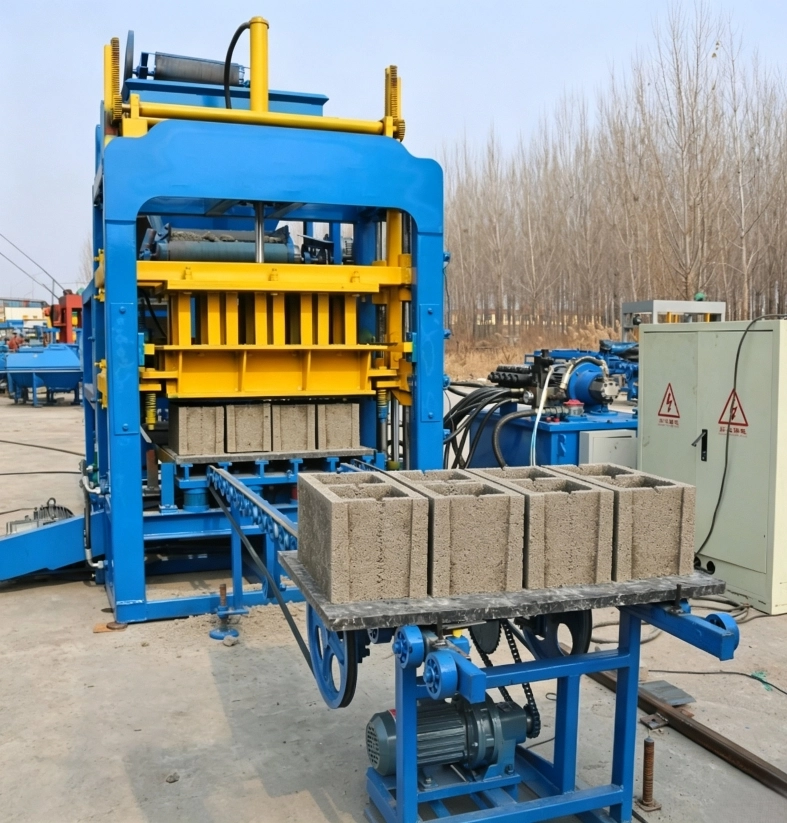
The main body is built with heavy‑duty steel gantry frame, total machine weight reaches 933 kg. It is anti‑fatigue and anti‑deformation under long‑time continuous pavement brick production. Four vertical guide shafts with wear‑resistant guide sleeves ensure accurate mold positioning. It effectively avoids mold jamming and misalignment. Key transmission components are robustly constructed to lower frequency of spare‑part replacement. Less unexpected breakdown means fewer production halts. You can deliver pavement brick orders on‑time and avoid economic losses caused by production delay or order breach, which is very important for small‑and‑medium block plants.
4. Reasonable Power Configuration for Controlled Energy Consumption & Low Initial Investment
Total host power is 9.7 kW, perfectly matching real‑world pavement brick production conditions without unnecessary power waste. Production capacity is 1800‑2000 pieces per day, well‑matched for small‑medium‑scale order volume. You can build a full simple production line by matching this machine with a 350 concrete mixer. Complicated foundation construction is not required. Factories with ordinary workshop conditions can start production quickly. It helps you control your early‑stage investment on infrastructure and auxiliary equipment.
5. Wide Raw‑Material Compatibility to Cut Down Material Cost
You do not have to rely on special raw materials for pavement brick production. Locally available materials such as river sand, stone dust, fly ash, crushed stone and brick waste can be adopted. Some waste materials can be used after simple crushing. You can source raw materials locally to cut your cost of purchasing and transportation. Re‑using local industrial waste and stone residues also diversifies your material sources and prevents production halt caused by raw‑material shortage, securing stable supply of pavement bricks.
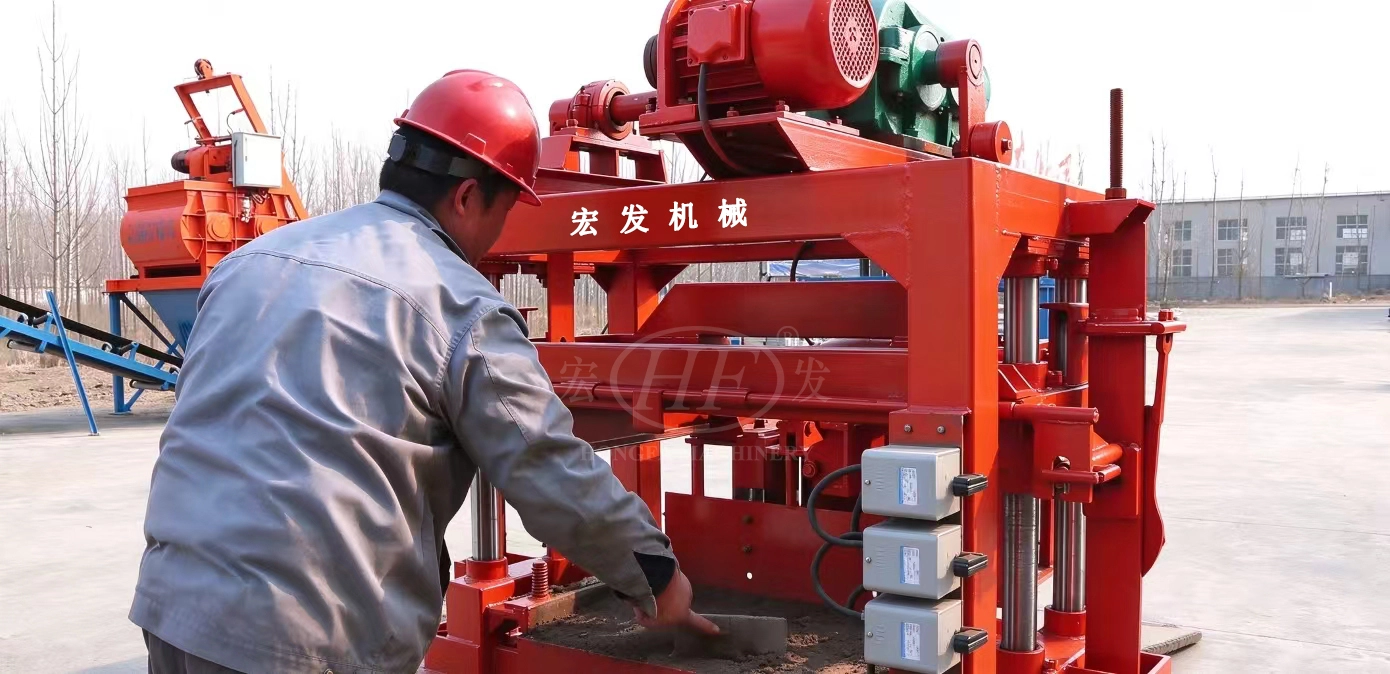
6. Easy Operation to Reduce Labor Cost & Training Pressure
This machine adopts electro‑mechanical integrated control. Operating logic is straightforward. Ordinary workers can master the full pavement brick production workflow after short‑term training. No high‑salary senior technicians are required. The whole workflow including feeding, vibrating, forming, demolding and brick output runs in standardized cycles, lowering risks of equipment damage caused by mis‑operation. You do not need many professional maintenance staff, saving your cost on labor and training. It is ideal for newly‑built brick plants and small‑medium overseas building‑material manufacturers.
1. Quick Mold Change for Various Pavement Bricks to Diverse Order Demands
QTJ4‑40B2 supports fast replacement of special molds for pavement bricks. With one single machine, you can produce multiple sizes of paving bricks, walk‑way bricks and standard blocks. There is no need to purchase multiple separate machines, so your capital investment on equipment can be greatly reduced. When facing changeable market orders, you can switch product types just by changing molds. It helps your factory accept more local and overseas engineering orders for pavement bricks and avoid equipment idling. Pallet size is highly compatible, maximum pallet reaches 850×550 mm to meet production requirements for large‑size pavement bricks.
2. Dual‑Vibration Forming for Superior Brick Quality & Less Waste
This machine adopts combined table vibration plus upper‑head synchronous vibration system. Two 3 kW bottom vibrators and one 1.5 kW top vibrator work together during forming process. Concrete material fills the mold cavity fully and evenly. Finished pavement bricks own uniform density and high strength with complete edges. It greatly reduces defective products such as cracking, delamination and corner damage. Lower reject rate saves your cost on raw materials like cement and aggregates. High‑quality finished bricks meet both domestic and overseas quality standards for paving projects, helping you raise product competitiveness and reduce customer complaints. Stable vibration force guarantees consistent brick quality during mass‑production, with one forming cycle finished within 40 seconds.
3. Heavy‑Duty Frame Structure, Less Breakdown & Lower Maintenance Loss
The main body is built with heavy‑duty steel gantry frame, total machine weight reaches 933 kg. It is anti‑fatigue and anti‑deformation under long‑time continuous pavement brick production. Four vertical guide shafts with wear‑resistant guide sleeves ensure accurate mold positioning. It effectively avoids mold jamming and misalignment. Key transmission components are robustly constructed to lower frequency of spare‑part replacement. Less unexpected breakdown means fewer production halts. You can deliver pavement brick orders on‑time and avoid economic losses caused by production delay or order breach, which is very important for small‑and‑medium block plants.
4. Reasonable Power Configuration for Controlled Energy Consumption & Low Initial Investment
Total host power is 9.7 kW, perfectly matching real‑world pavement brick production conditions without unnecessary power waste. Production capacity is 1800‑2000 pieces per day, well‑matched for small‑medium‑scale order volume. You can build a full simple production line by matching this machine with a 350 concrete mixer. Complicated foundation construction is not required. Factories with ordinary workshop conditions can start production quickly. It helps you control your early‑stage investment on infrastructure and auxiliary equipment.
5. Wide Raw‑Material Compatibility to Cut Down Material Cost
You do not have to rely on special raw materials for pavement brick production. Locally available materials such as river sand, stone dust, fly ash, crushed stone and brick waste can be adopted. Some waste materials can be used after simple crushing. You can source raw materials locally to cut your cost of purchasing and transportation. Re‑using local industrial waste and stone residues also diversifies your material sources and prevents production halt caused by raw‑material shortage, securing stable supply of pavement bricks.
6. Easy Operation to Reduce Labor Cost & Training Pressure
This machine adopts electro‑mechanical integrated control. Operating logic is straightforward. Ordinary workers can master the full pavement brick production workflow after short‑term training. No high‑salary senior technicians are required. The whole workflow including feeding, vibrating, forming, demolding and brick output runs in standardized cycles, lowering risks of equipment damage caused by mis‑operation. You do not need many professional maintenance staff, saving your cost on labor and training. It is ideal for newly‑built brick plants and small‑medium overseas building‑material manufacturers.

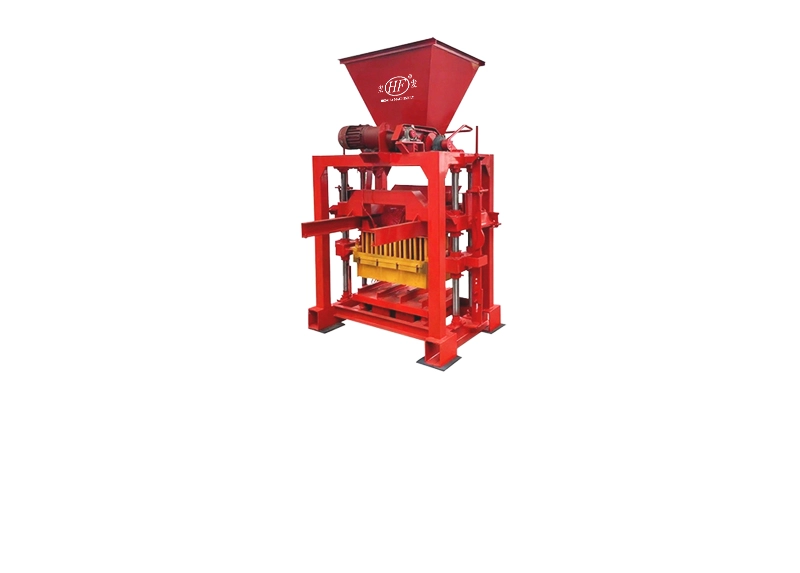
QTJ4-40B2 Semi-automatic Block Machine For Small Business
QTJ4-40B2 semi-automatic block machine is a fixed table-vibration concrete block making machine. It can run independentl...

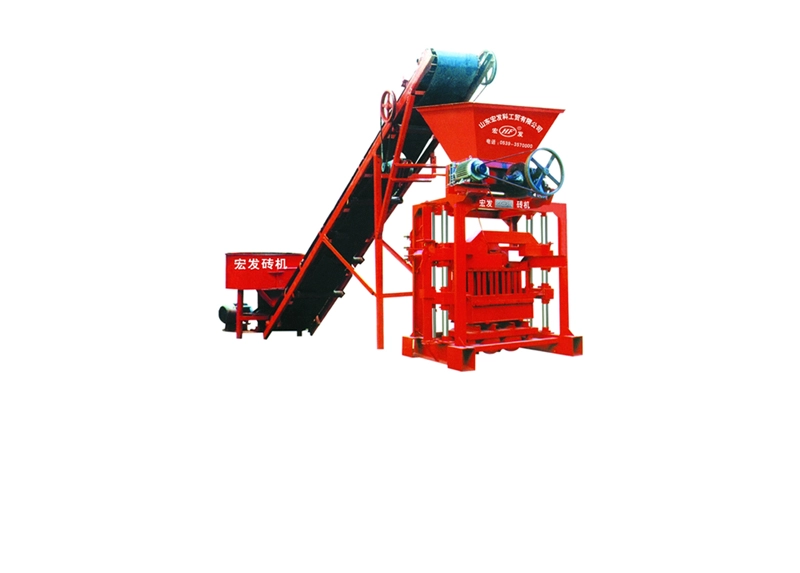
 QTJ4-35B2 Semi-automatic Concrete Cement Block Making Machine
QTJ4-35B2 semi-automatic concrete cement block making machine can work independently or form a simple production line ma...
 QTJ4-35B2 Semi-automatic Concrete Block Machine
This QTJ4-35B2 semi-automatic concrete block machine is a low cost manual concrete machine ideal for small business star...
Shandong Hongfa Scientific Industrial&Trading Co.,Ltd ©️2026Copyright © LU ICP B 16041216-4